

From a Single iPhone Photo to Endless Possibilities
Artificial Intelligence is no longer a distant concept reserved for research labs or science fiction. It has quietly — and sometimes dramatically — woven itself into our daily lives, especially through AI-powered From a Single iPhone Photo to Cinematic Video
Artificial Intelligence is no longer a distant concept reserved for research labs or science fiction. It has quietly — and sometimes dramatically — woven itself into our daily lives, especially through AI-powered media.
From the videos we watch to the content we create and share, AI is reshaping how ideas are formed, expanded, and expressed.
From Consumption to Creation: Everyone Becomes a Creator
In the past, creating media required expensive equipment, specialized skills, and long production cycles. A single photo or video often represented the end of a creative process.
Today, AI has flipped that model.
Modern AI tools can:
- Turn text into images, videos, and music
- Edit footage automatically
- Generate voiceovers in multiple languages
- Repurpose one idea across many platforms
A single person can now do what once required an entire team. Creativity is no longer limited by resources — it is guided by imagination and intent.
From a Finished Image to a Creative Conversation
Consider a simple image taken on an iPhone.
Traditionally, the workflow ends after the photo is captured and lightly edited. Much of the creative time is spent trying to complete the thought:
What is this image about?
What should it become?
Is it worth continuing?
Often, ideas stall — not because they lack potential, but because time runs out.
With AI, that image becomes the beginning, not the end.
You can share the image and your rough idea with AI and ask:
- What story could this image tell?
- How could this evolve into a series or a short video?
- What mood, color direction, or narrative could strengthen it?
- How might this work as a blog post, reel, or cinematic sequence?
AI acts as a creative collaborator — helping you explore directions instantly instead of holding everything in your head.
Sample Explained: From iPhone Photo to Cinematic AI Video
From Consumption to Creation: Everyone Becomes a Creator
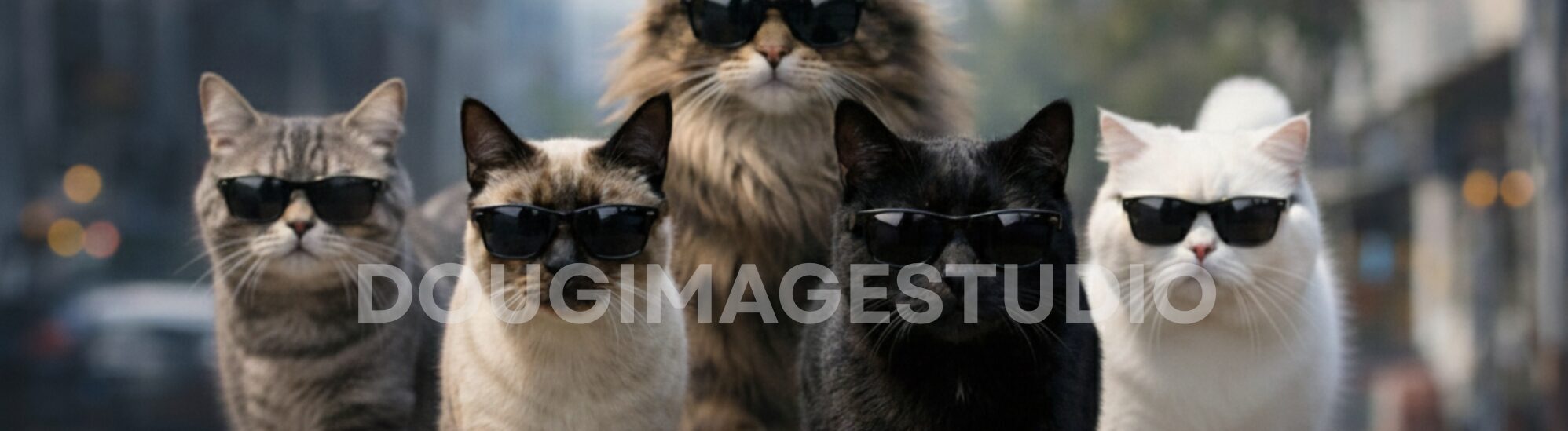
Imagine the sample images shown above were all captured on an iPhone — everyday moments, natural lighting, no complex setup. On their own, they are still photographs. With AI, they become cinematic video sequences with sound.
Here’s how that transformation works:
- The iPhone Image as the First Frame
The photo becomes the visual anchor. AI uses it to understand lighting, composition, subject placement, and overall mood. - Cinematic Motion Is Introduced
AI adds controlled, film-like movement:- Slow camera push-ins or pans
- Environmental motion (wind, light, shadows)
- Subtle subject motion (breathing, blinking, fabric movement)
- Timing, Pacing, and Loop Design
AI helps define how long moments last, when motion begins, and how scenes loop or transition smoothly, similar to professional film editing. - Sound Design Adds Reality and Emotion
Sound effects complete the experience:- Ambient background tone
- Natural environmental sounds
- Soft cinematic textures that support the visual
What once required multiple specialists and days of production can now be explored quickly — without removing creative control from the creator.
Speed Changes Everything
AI doesn’t just help us create — it accelerates everything.
Ideas move from concept to execution in minutes, not weeks. Feedback loops tighten. Experiments become cheaper. Iteration becomes natural.
For individuals and small teams, this means:
- Faster learning through iteration
- More room for creative risk
- Less fear of “wasting time”
Endless Possibilities from One Idea
An iPhone image can become:
- A cinematic video
- A story-driven reel
- A visual narrative
- A blog feature
- A brand asset
Instead of one final result, you unlock multiple creative paths from a single moment.
Looking Forward
AI media is not a trend — it’s a structural shift.
AI doesn’t define the story.
We still do.
